




Reward positive behavior with classroom dollars students actually want to earn
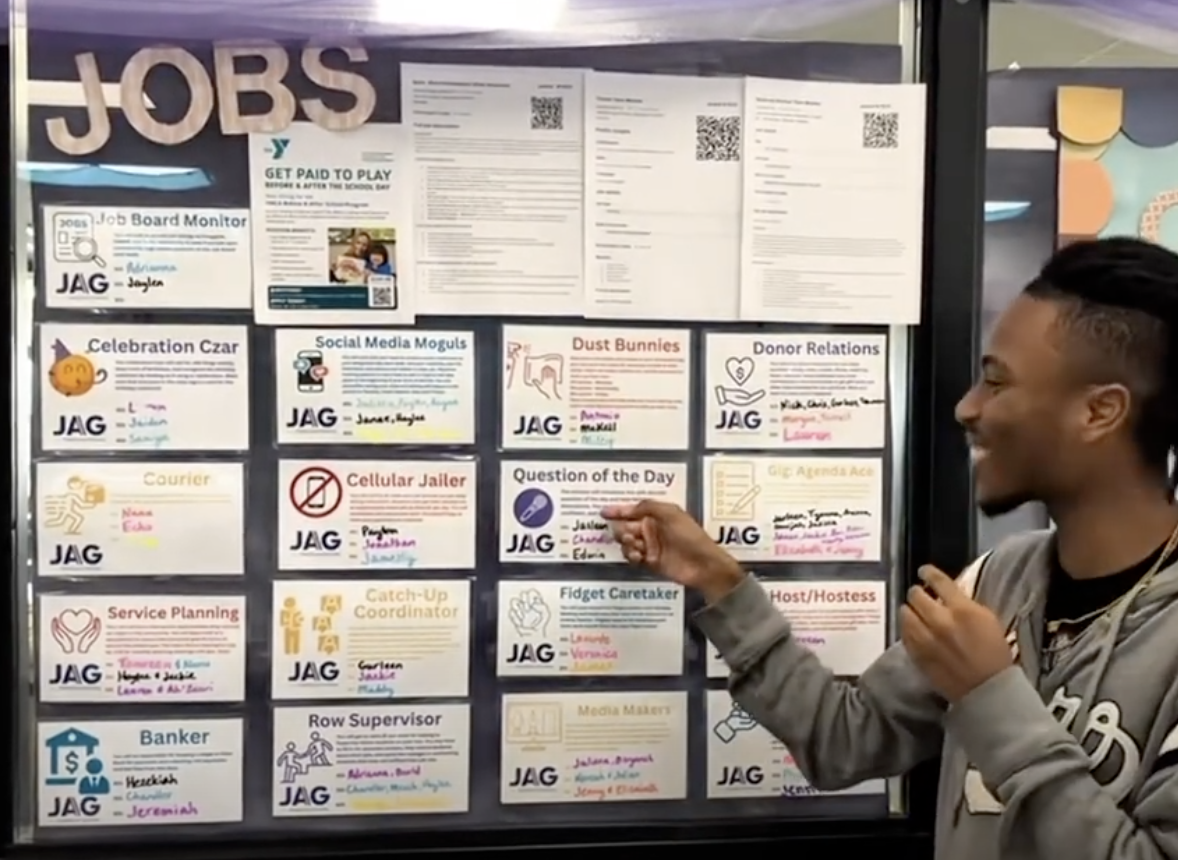
Give every student jobs, paychecks, and real ownership of how the classroom runs
Teach real-world money skills through hands-on experience, not lesson planning

ClassBank comes with plug-and-play suggestions for bonuses, classroom jobs, bills, and store items, so you can start your classroom economy in minutes, not days. No credit card. No trial period. No paper cutting required.
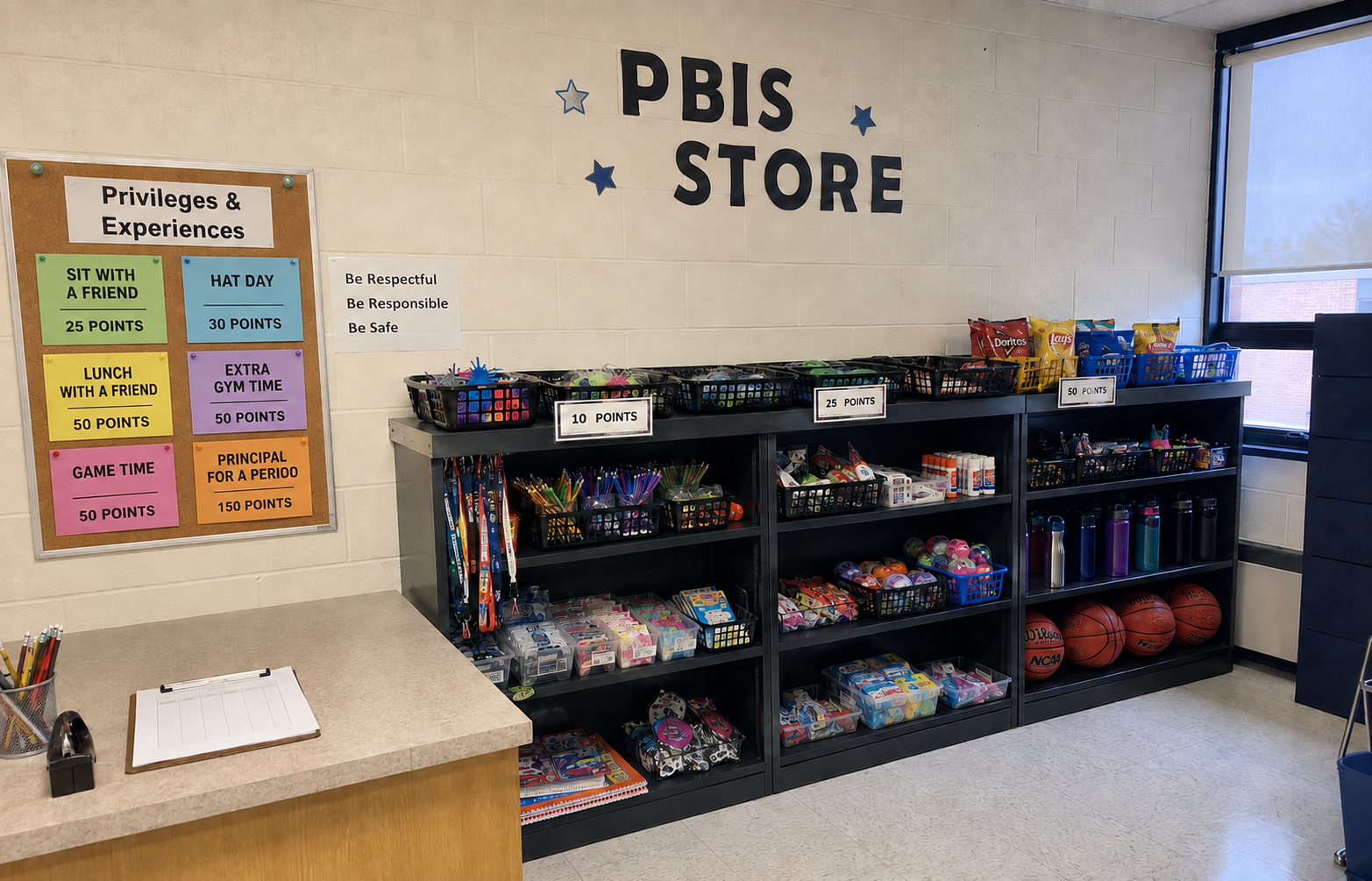
Award classroom dollars in seconds – from your phone, tablet, or laptop – for positive behavior, participation, attendance, and more. Customize bonuses to match your PBIS, MTSS, or restorative practices framework.

Students apply for classroom jobs like Banker, Store Manager, and Attendance Officer, earn paychecks, and take real ownership of how the classroom runs.

Students browse your store, set savings goals, and budget toward purchases in their own bank accounts. Add free rewards (homework pass, listen to music, choose your seat) or low-cost prizes. Inventory tracking is built in – no more spreadsheets, no more paper tickets.
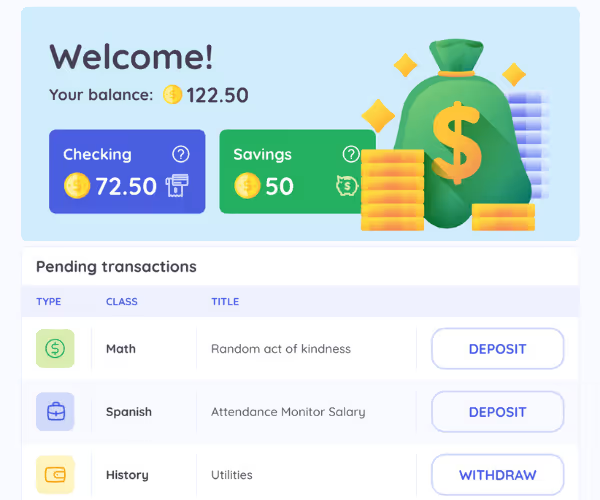
Students don't just earn classroom dollars – they manage real bank accounts. They check balances, set savings goals, earn interest, and watch their money grow. No extra lessons, no extra prep, no class time lost.

A classroom economy is a behavior management system where students earn virtual currency for things like positive behavior, classroom participation, and attendance. Students hold jobs like Banker and Store Manager, earn salaries, pay bills, and spend savings in a class store – simulating real-world financial decisions while reinforcing school expectations. Unlike points-based reward systems, a classroom economy teaches students how money actually works. ClassBank is a free digital platform that makes running a classroom economy easy for any K-12 teacher and school.
→ Read More: What Is a Classroom Economy, and Why Use One?
Yes. ClassBank is free for individual teachers – no credit card, no trial period. The free plan includes everything you need to run a full classroom economy: bonuses, fines, classroom jobs, salaries, bills, a digital student store, and student checking and savings accounts with autopay.
Teachers upgrade to Pro for added financial literacy features like interest on savings, ease-of-use tools (student grouping, store quantities, Student Bankers and Store Clerks), and the ability to share classes with a co-teacher (both teachers need Pro).
Schools choose the Schoolwide plan for whole-school connectivity (students participate in classes across the school), unlimited staff accounts, and real-time behavior data across every classroom – perfect for PBIS, MTSS, and building consistency.
→ Compare all plans
Most teachers are up and running in under 10 minutes. ClassBank comes with plug-and-play suggestions for bonuses, classroom jobs, optional bills, and store items, so you can start your classroom economy today and customize as you go. No training required — if you can use a web browser, you can use ClassBank.
→ See our recommended settings for K-12
ClassBank works for every grade level, K-12.
Elementary teachers often use it for classroom jobs, bonuses, classroom stores, and introducing foundational money habits. As students get older, especially in middle and high school, teachers can add more advanced financial concepts like salaries, budgeting, savings goals, and optional bills to create a more realistic classroom economy experience.
Unlike many classroom management tools that are primarily designed for younger students, ClassBank grows with students over time. Students can manage digital bank accounts, earn paychecks, apply for classroom jobs like Banker or Store Manager, and make real spending and saving decisions that help prepare them for life after graduation.
Everything in ClassBank – jobs, bonuses, fines, bills, and store items – is fully customizable, with built-in grade-level suggestions to help teachers create an age-appropriate experience for any classroom.
Most classroom reward systems rely on points, tickets, or tokens – and students stop caring because the rewards don't feel real. The reality: students don't care about points. They care about money.
With ClassBank, students earn classroom dollars through positive behavior, participation, and classroom jobs. They manage their own checking and savings accounts, save toward goals, and make real spending decisions in a digital store – learning how money actually works. Teachers can go as deep as they want – from simple bonuses and a store all the way to salaries, bills, taxes, and student leadership teams. And students build real financial literacy – budgeting, saving, goal setting – throughout the day, without adding another subject to teach.
Instead of passively collecting points from the teacher, students take ownership of the classroom and become active members of the community – which is why engagement lasts far longer than traditional reward systems. That's the difference between rewarding behavior and building habits that last.
→Browse 50+ classroom job ideas
Yes – ClassBank has a free mobile app for teachers on iOS and Android, so you can award classroom dollars from anywhere: at recess, in the cafeteria, in the hallway, on a field trip. Students don't have a dedicated app, but they can access their classroom bank account, store, and savings goals from any web browser on any device – phone, tablet, Chromebook, or laptop.
No. Bills and fines are completely optional. Many teachers run an “earn-only” economy with bonuses, paychecks, jobs, and a store – and never charge a single fine. If you do want to teach budgeting, optional bills (rent for a desk, utilities for tech access) let students practice managing money in a safe environment without any negative consequences.
Students don't watch lessons about money – they live it.
Every student gets a real classroom bank account with checking and savings. They earn paychecks from classroom jobs, pay bills, set savings goals, and shop with the money they've earned. Financial literacy becomes part of the school day, not a separate lesson – reinforcing real-world math and social studies standards through experience.
Research from the University of Wisconsin's Center for Financial Security shows that experiential classroom economy programs (like ClassBank) produce financial literacy gains on par with formal personal finance courses – after just 10 weeks, and without taking time away from other classroom activities. That's the power of learning by doing.
→Free Financial Literacy Activities & Resources
Yes – ClassBank is built for schoolwide adoption.
When your school goes schoolwide, every classroom runs on one common currency and shared language, so students experience the same expectations and economy from teacher to teacher and grade to grade.
Schools get a dedicated School Success Team to help set up the schoolwide economy, balance prices across grade levels, and train teachers. Administrators also get a centralized dashboard with real-time behavior data, automated SIS rostering (Clever, ClassLink, PowerSchool, Infinite Campus), schoolwide bonuses across every classroom, and ongoing onboarding support.
Many ClassBank schools start with a single teacher and expand from there. Request a quote when you're ready and we'll handle the rest.
→ Learn more about ClassBank for Schools